

Call us: (123) 4567 890
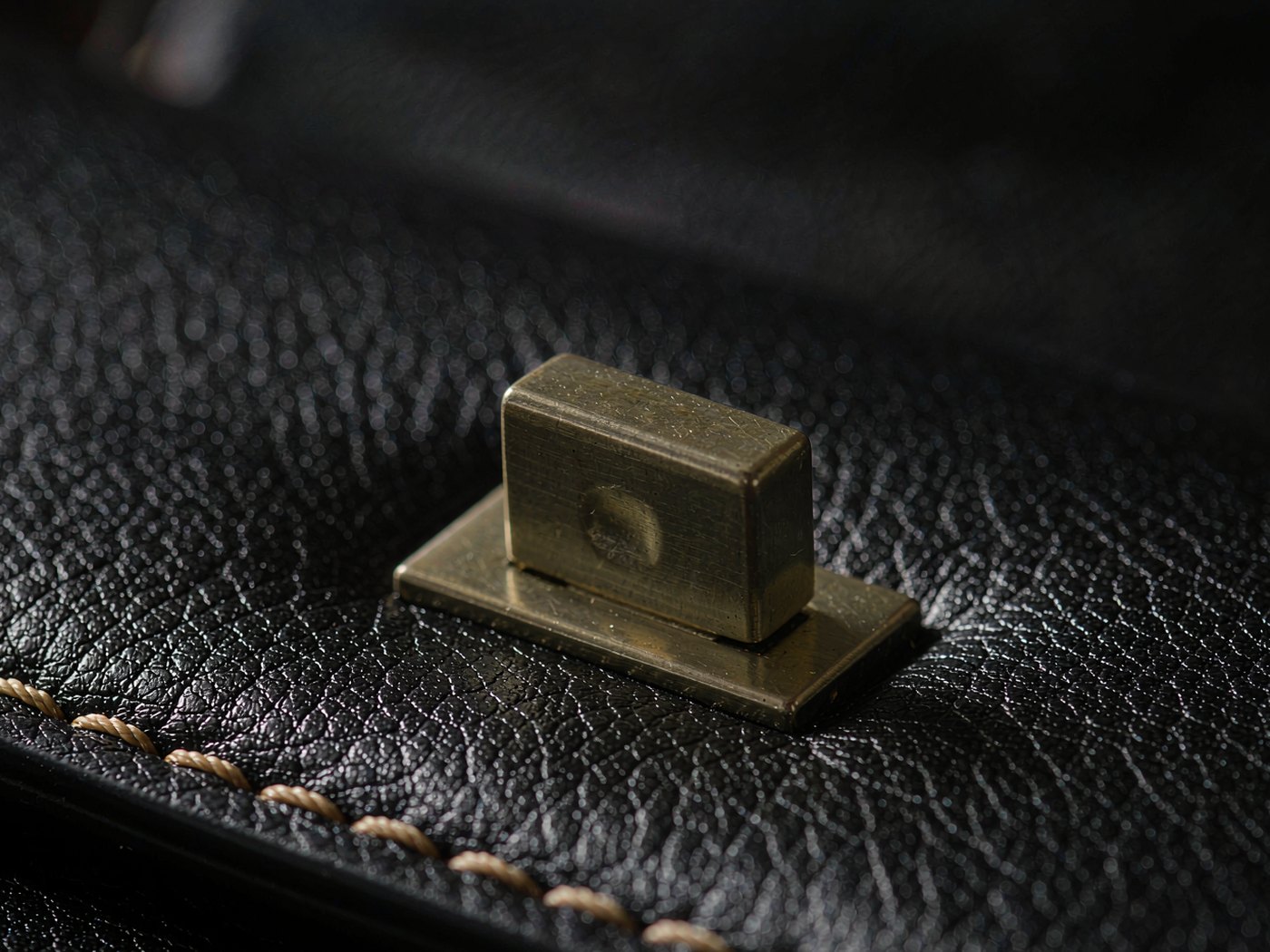

Almost all leather is chrome-tanned. It is fast, cheap, uniform and very good at what it does: two days in a drum, and you have a hide that will not rot, takes dye evenly and behaves predictably in a factory.
Vegetable tanning uses tree bark and tannins instead. Six weeks in pits, more waste, more skill, about a third more cost. We use it because of what it does afterwards.
Three differences you can see
- It moves. Vegetable-tanned leather creases where you fold it and holds the crease, so a bag starts to show how it is carried. Chrome-tanned leather springs back and stays flat.
- It darkens. Sun and hand oils shift the colour over two or three years — a pale tan goes to chestnut, a cream goes to honey.
- It breathes. No polymer film on the surface, so it does not crack along a fold in the way a coated leather eventually will.
What it costs you, honestly
The first month is stiff. A new vegetable-tanned tote stands up on its own and does not yet drape. Some people love that; some find it annoying for a fortnight. It also marks more readily than chrome-tanned leather — a scratch on the surface can be rubbed away with a thumb, but it will be visible until you do.
And it is not automatically “better”. For a saffiano crossbody meant to survive a commute in the rain, a chrome-tanned embossed calf is the right material and we use it. We match the tannage to the job, and we say which one you are buying on every product page.
Care is simple: wax twice a year, keep it out of radiators, blot rain instead of rubbing it. Our Care & Repair page has the detail.